Why AR for Tourism?
What does augmented reality add to a visitor experience?
A destination already contains the most important part of the experience: the real place. AR does not need to replace it. It can add information, characters, directions and interaction exactly where they become useful.
This is particularly valuable when visitors need a more personalised journey, immediate information about what is in front of them, or a stronger connection to local culture. Instead of asking every visitor to follow the same fixed tour, an AR tourism experience can reveal relevant points of interest and let people explore at their own pace.
Personalised travel experiences
Help visitors focus on the routes, stories and points of interest that are relevant to them.
Accessible information
Present useful context at the landmark, sculpture, mural or street where it matters.
Cultural engagement
Turn hidden histories and local narratives into experiences visitors can see and interact with.
What AR Makes Possible
Practical uses of AR in tourism
Interactive AR guides and digital characters
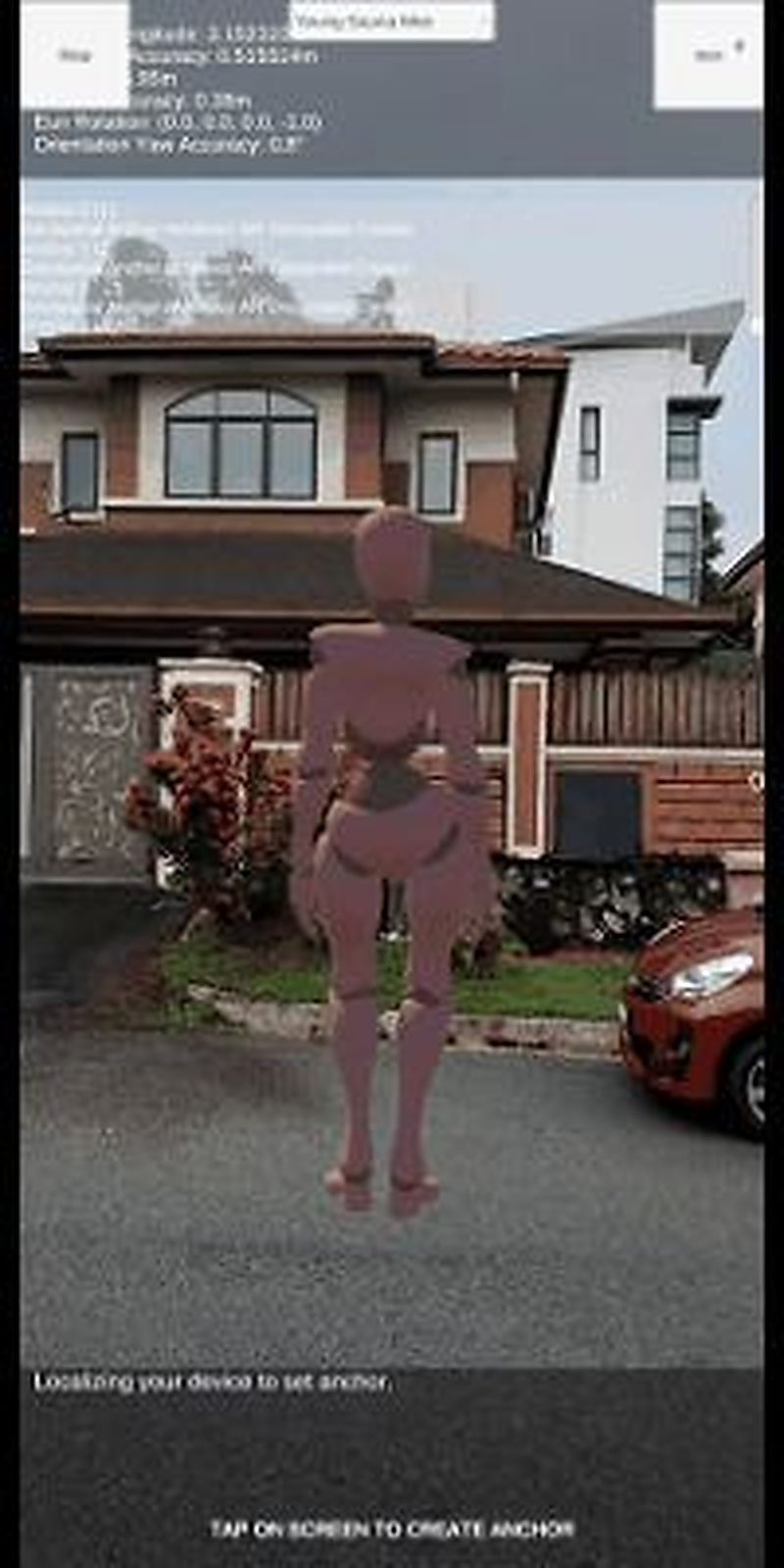
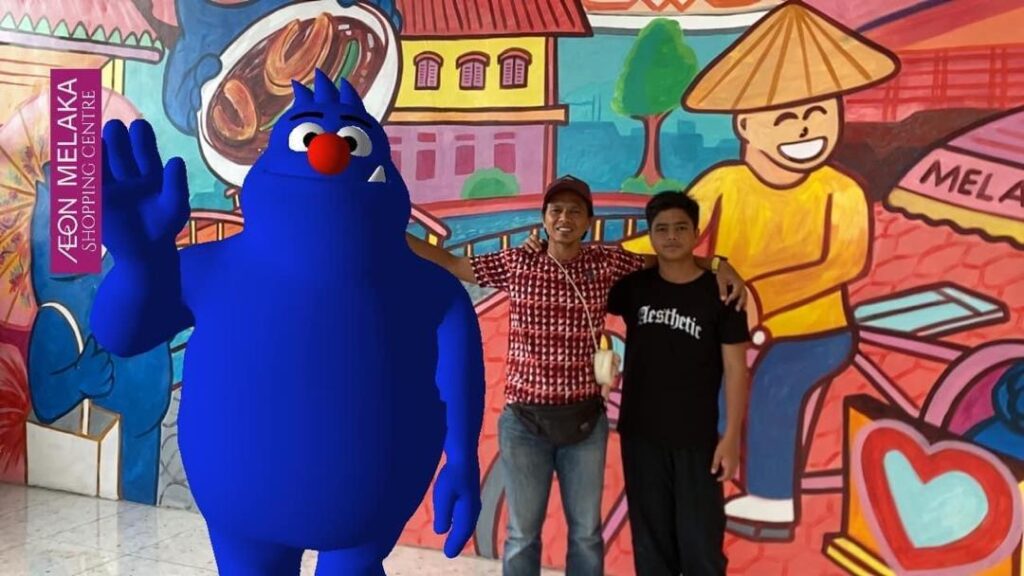
An AR guide can appear beside a landmark or at a significant location to welcome visitors, introduce the surrounding area and explain what they are seeing. It might be a character connected to the place, a non-player character (NPC), or a simpler information layer.
Unlike a physical guide stationed at one point, digital content can remain available for visitors arriving at different times. Information can be delivered in short, location-specific moments, helping visitors learn without interrupting the experience of the real destination.
Location-aware AR navigation and guides
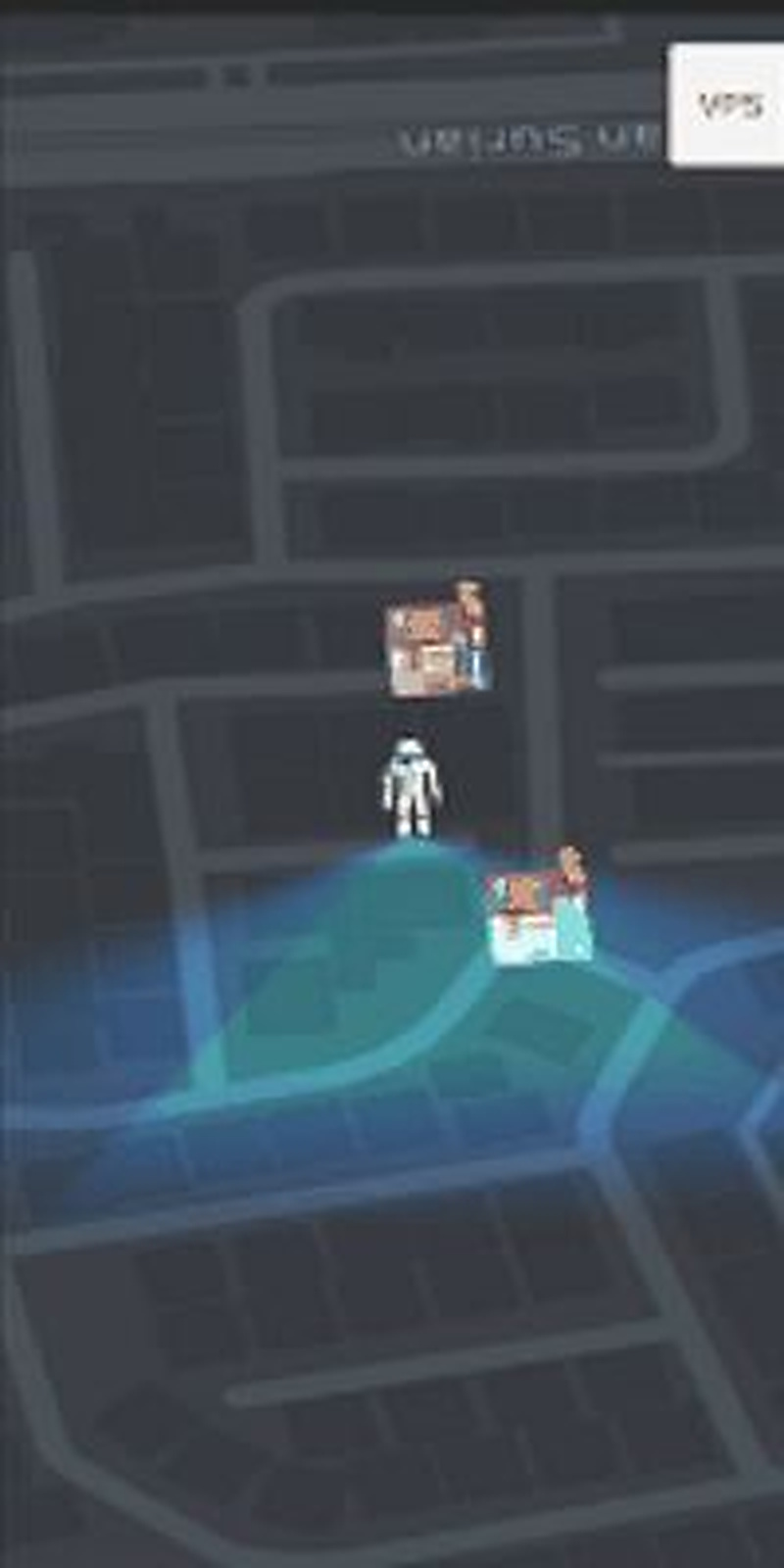
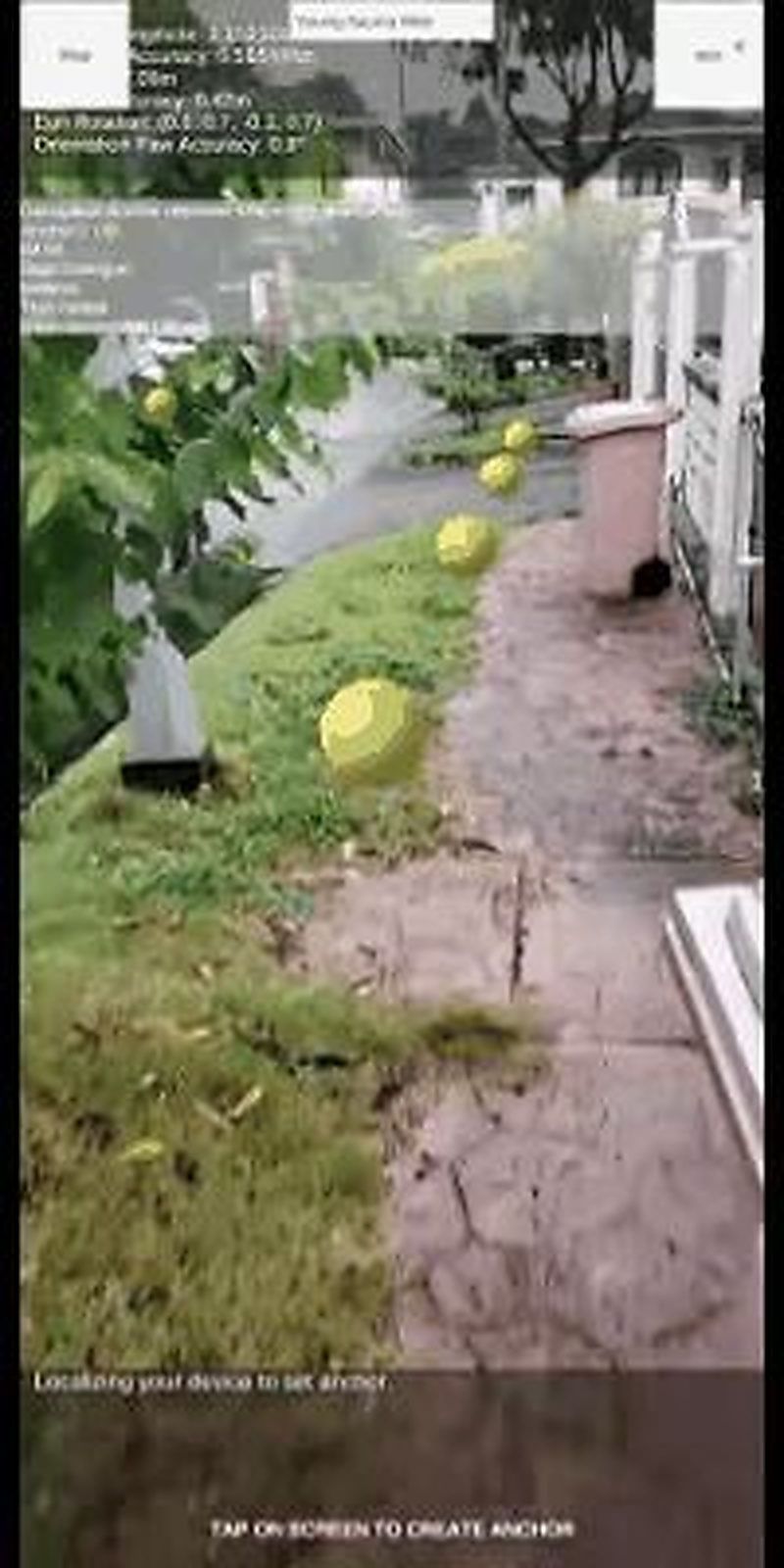
This technology demonstration shows digital content distributed through a real outdoor environment, including visitor guidance and location-aware AR elements.
Tourism navigation focused on the visitor
General mapping tools contain information for many everyday purposes. A tourism-focused AR map can simplify the interface around visitor needs: preferred landmarks, restaurants, cultural sites and a route through the destination.
Trails, moving indicators and digital guides can make navigation easier to understand while keeping the visitor aware of the physical environment. A character can also lead the way and wait as the visitor moves, creating a different rhythm from a fixed group tour.
Cultural storytelling at landmarks, murals and sculptures
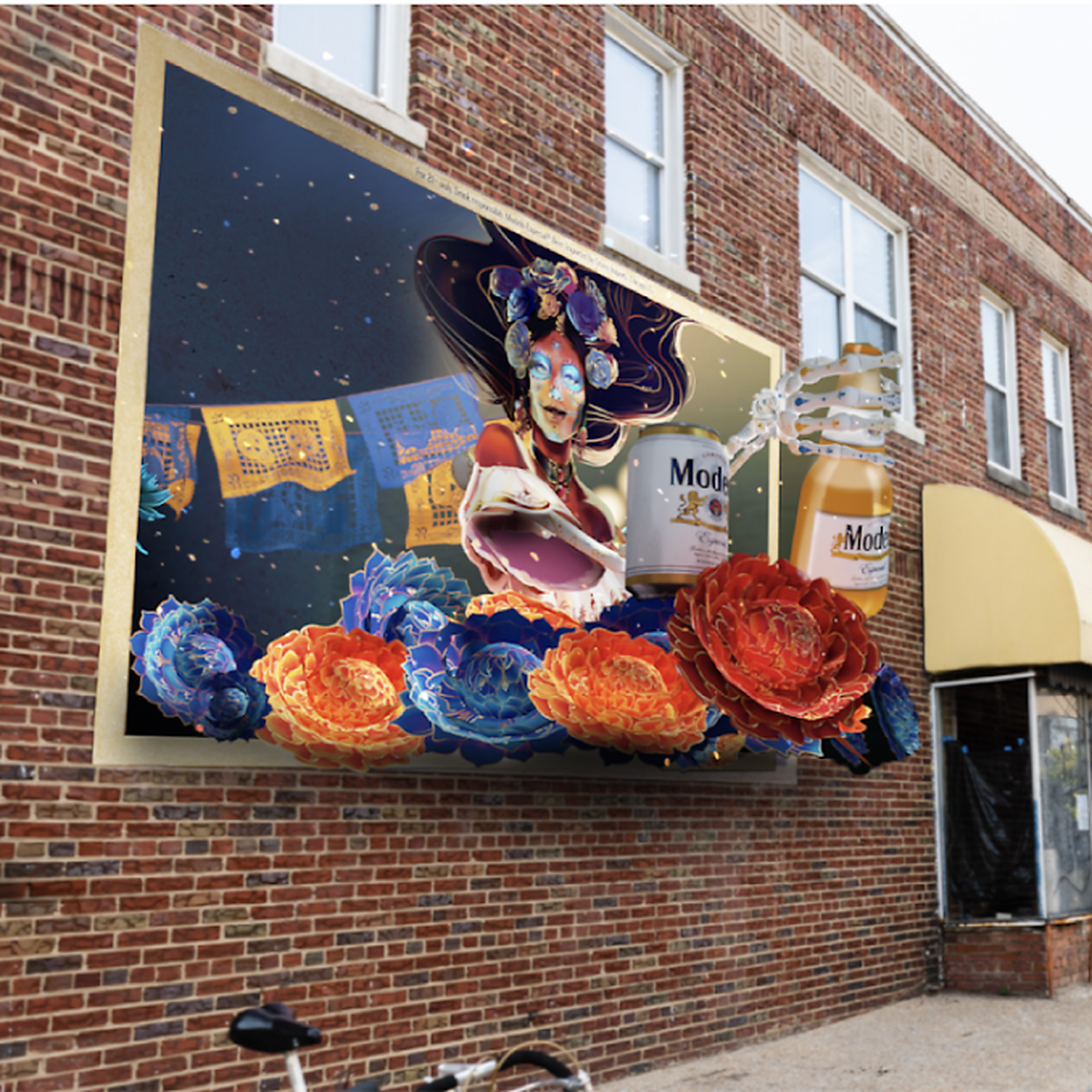
AR can bring cultural stories to the object or place they describe. A mural can reveal animation; a sculpture can display anchored information; a historical character can tell a story in context. Two-dimensional labels can provide direct facts, while three-dimensional characters can make the narrative feel more present.
The physical installation remains visible and important. The digital layer gives visitors another way to understand its meaning, construction or history without replacing the real artwork.
AR treasure hunts, quizzes and gamified exploration
A destination can become the setting for a treasure hunt, quiz or mini-game. Visitors might search for digital objects placed around the environment, answer questions at specific points or complete a route with an AR character.
Gamification is useful when the objective is to encourage active exploration rather than passive viewing. The same principle can apply to cultural districts, visitor attractions, public art trails and other spaces where discovery is part of the experience. See how similar mechanics are used in AR entertainment and treasure-hunt experiences.
Real Demonstration
What does a location-based tourism experience look like?
The demonstration below uses the destination itself as the interface. Instead of separating digital content from the visit, AR appears at relevant locations and creates a guided journey through the physical environment.
Explore a destination through augmented reality
A tourism-focused example of digital content distributed across real locations to create a guided, interactive journey.
Choosing the Delivery
Does a tourism AR experience require an app?
Not always. The right delivery method depends on the complexity of the experience, how long visitors will use it and what the location-based features need to do.
For a practical browser-based example, visitors can try the existing AR demonstration in the homepage's Selected Work and Try It Yourself sections.
Planning the Experience
What should a tourism operator consider before building AR?
The technology should follow the visitor need. Before choosing a platform or visual effect, define the physical setting, the information visitors need and the action the experience should encourage.
- The visitor objective: navigation, storytelling, learning, play or a combination of these.
- The physical anchor: a landmark, mural, sculpture, street, attraction or wider geographic area.
- The visitor journey: where the experience begins, how people discover the next point and how long the interaction should take.
- The delivery method: browser-based AR for low-friction access, or a dedicated application where the functionality requires it.
- The content: concise information, characters, animation, navigation or game mechanics that serve the destination rather than distract from it.
Virtical is an interactive experience studio combining creative thinking and technology to build physical-digital experiences people can understand and enjoy. Explore more examples in Virtical's selected AR work, or discuss a tourism idea through the project link below.